
 Casestudy Details
From complex challenges to transformative solutions.


The challenge
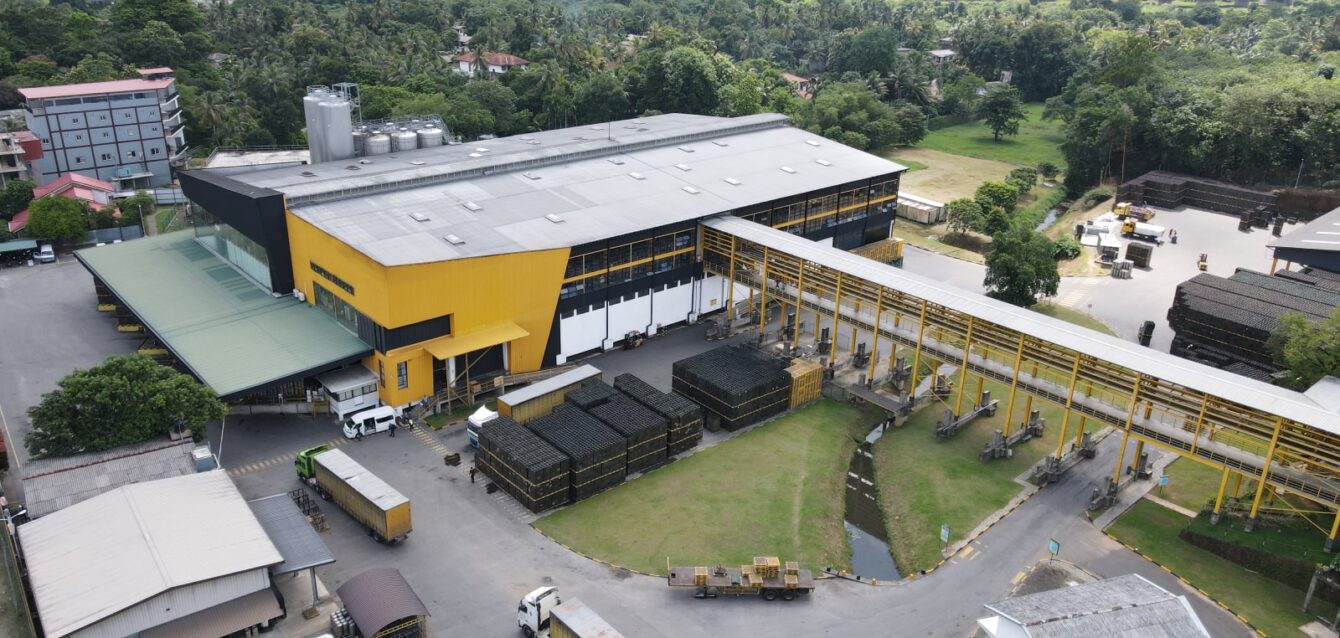
Lion Brewery’s expanding logistics operations revealed a clear gap in fuel usage oversight. Vehicles were managed manually with no systematic tracking of mileage or refueling. Fuel quotas existed in theory but were nearly impossible to enforce in practice.
Core Issues
- Manual logs lacked accuracy and consistency
- No visibility into individual vehicle fuel consumption
- Quota enforcement was impractical without real-time data
- High risk of fuel misuse and budget overrun
Drivers for Change
- Surge in vehicle usage across field teams
- Escalating fuel costs are demanding tighter controls
- Internal push for digitization and operational accountability
The Engagement
The project began through an internal referral, and the objective was clear: build a fuel tracking system that provides real-time data, aligns with operational quotas, and empowers field riders with transparency and control.
Key Engagement Methods
- Field-level workshops with drivers, managers, and support staff
- On-site requirement gathering for accurate workflow mapping
- UAT with business users before rollout to minimize friction
The Solution
We delivered a Fuel Management System designed to digitize and simplify fuel-related operations across the company. It provided control at both the user and management levels while eliminating manual record-keeping.
Tech Stack
- Web App: Optimized for Chrome (v73+)
- Mobile App: Android (v9+) and iOS (v14+) support
- Backend: .NET 6 with Microsoft SQL Server
- Hosting: IIS 10 on Windows Server 2016+
Implementation Structure
- UAT phase with select departments
- Phased rollout starting with high-usage teams
- Post-launch monitoring and refinement through user feedback
Integration
No complex integrations were needed. The system was built to run alongside existing operational platforms, minimizing disruption
Results & Impact
Despite a 30-day project window, the system was delivered and operational on schedule without scope compromises or emergency patches.
Rollout Phases:
- UAT with live branch staff and business leads
- Pilot deployment in key high-volume locations
- Full rollout across 30+ branches
Frontline teams were trained using workshop-style walkthroughs, with minimal friction or rework.
The Impact
90%+ adoption rate within 60 days
45% improvement in quota compliance
Manual logs eliminated in all departments using the system
25% reduction in administrative hours tied to fuel-related reconciliation
60% drop in flagged fuel misuse incidents within the first quarter
99.7% system uptime with no critical downtime incidents
10,000+ monthly transactions processed without latency issues
<90 seconds average completion time for mileage or fuel log entry
Whats Next
With a scalable foundation in place, Lion Brewery is evaluating the use of similar systems for other mobile consumables and vehicle-linked assets. Long-term, fuel consumption data may also integrate into analytics dashboards for broader operational planning.
Take aways
Manual fuel logs introduce more risk than value, especially at scale
Real-time visibility makes enforcement easier without micromanagement
Simple tools work best when they don’t interfere with how teams already operate
Adoption improves when users see the data they input actually being used
Deployments that respect existing workflows tend to succeed quietly—and stick
Our similar casestudy
No case studies found in the selected category.